Should a Home Extension Blend In or Stand Out?
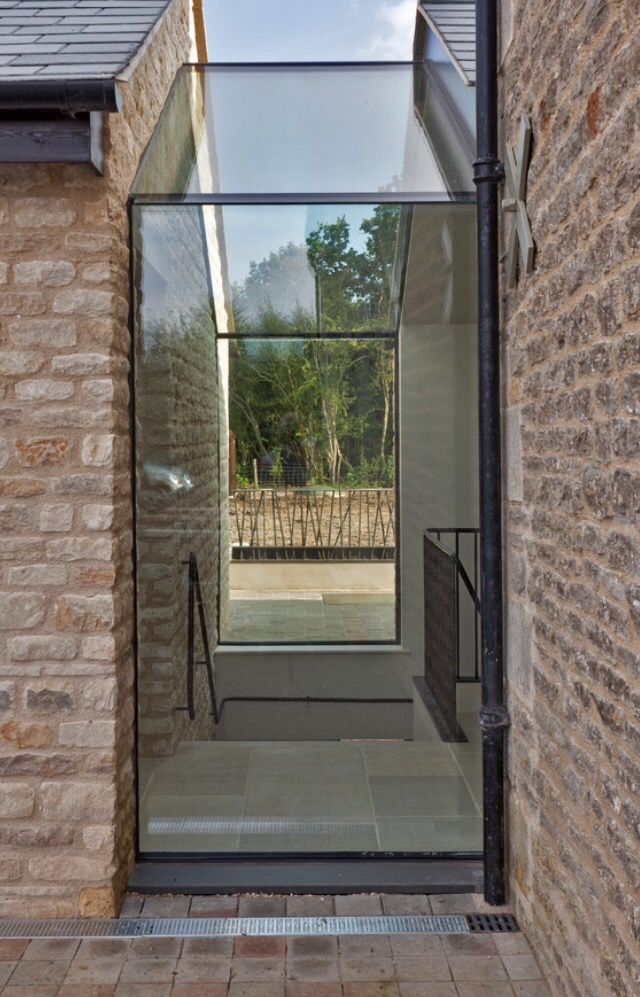
Should a Home Extension Blend In or Stand Out?
When a homeowner begins thinking about extending a character home, a Victorian terrace, a Californian bungalow, a Federation cottage: one question surfaces almost immediately. Should the extension match the original, or declare itself something new?
It divides opinion. Design studios and heritage planners have argued both sides with conviction. And clients, who have to live in the result, often sense that neither camp has the complete answer.
At RESLU, we have resolved this question across enough projects to hold a clear position. It is not about blending in or standing out. It is about completing the story the home has already started.
What makes a character home worth extending
Before the style question can be answered, it is worth understanding what makes a character home valuable in the first place.
It is not the era. It is not the original materials, now aged and sometimes impractical. It is the sensibility embedded in the building, the proportions, the rhythm of the windows, the relationship between solid wall and opening, the way light moves through a corridor, the scale of a room relative to the ceiling height above it.
Older homes were designed before cost efficiency became the primary brief. They were built with attention to material quality, to craftsmanship, and to how a room feels to inhabit. That sensibility is what homeowners are protecting when they choose to extend rather than demolish. The extension question, then, is really this: how do you honour that sensibility while building something that meets the way you actually live today?
The case for matching
There is a genuine argument for extending in the original style. When executed well, matching creates a home that reads as complete, as if it was always intended to be this size.
It works when the existing home is formally strong, when the extension is designed by a studio that understands proportion and not just surface detail, and when a heritage overlay requires consistency with the streetscape. An extension that picks up the original parapet height, the window rhythm, and the mortar colour of a sandstone terrace can feel like a respectful, considered addition to a street that deserves careful stewardship.
But matching carries a particular risk. Done poorly, it produces what is known in design circles as "false history", a building that pretends to be older than it is, that mimics the original without understanding it. You can see this across almost every suburb in Adelaide: extensions that copy Federation windows with off-the-shelf joinery, that replicate the original roofline at the wrong pitch, that use brick that almost matches the old but doesn't quite. The result is neither the original nor something honest. It is a pastiche: and it diminishes both.
The case for contrast
Contemporary design offers a different argument. An extension that is clearly of its time, in its material palette, its detailing, its spatial openness: is at least legible. It does not pretend. It makes an honest addition to a building that deserves honesty.
This is sometimes called honest architecture. The principle holds that every generation should add to a home in the language of their own time, and that future generations will read those layers as a record of how the home evolved. Good contrast can also illuminate the original. A recessive contemporary extension, board-formed concrete, blackened steel, considered glazing: can make a Victorian facade look more intentional, more composed, more itself than a mimicry addition ever could. The original stands forward. The new work steps back.
The risk, however, is that contrast becomes a gesture: a design statement that prioritises originality over coherence. Extensions that fight the original home in scale, material, or proportion do not complete the story. They interrupt it.
The studio position: respect rather than replicate
At RESLU, we do not enter this debate on either side. We enter it on the side of the home.
The best extensions respect the spatial and formal logic of what already exists without replicating its surfaces. They align with the existing proportions. They echo the geometry, the ceiling heights, the window reveals, the relationship between solid and void: without copying the material palette directly.
For homeowners planning a luxury home extension in Adelaide, this distinction matters particularly. The character homes that carry the strongest outcomes are not the ones that received a matching addition in the 1990s. They are the ones where a considered, contemporary extension resolved the relationship between old and new with formal discipline: aligning proportion, clarifying the transition, and letting the original read clearly.
This means an extension to a sandstone terrace might share its scale and window rhythm without using sandstone. A complementary material, board-formed concrete or a bagged render, can speak to mass and texture without pretending to be nineteenth century. It means the transition between old and new is resolved clearly. Not concealed, not dramatised, resolved. A threshold, a shadow gap, a glazed link, that makes the logic of the extension legible.
And it means the interior reads as one home. Whatever happens on the exterior, the spatial sequence from front to back, from original rooms through to the new open-plan living, should feel authored. Considered. Continuous.
Practical principles for a considered extension
When working through an extension brief, these are the questions the studio returns to:
Proportions first. What are the ceiling heights of the existing rooms? Match them, or exceed them deliberately. Never fall short.
Read the geometry. What is the pitch of the roof? The width of window openings? The depth of reveals? These are the formal rules the extension should engage with, whether it follows or subverts them.
Choose complementary materials, not matching ones. The goal is not to find the same brick. The goal is to find a material that shares a formal quality, mass, texture, warmth: without impersonating the original.
Resolve the transition. Where old meets new, be deliberate. A visible structural element, a change in floor material, a glazed link. The junction is not a problem to conceal. It is an opportunity to make the design legible.
Design for how you live, not how the home photographs. The best luxury home extensions in Adelaide are not the ones that look remarkable in isolation. They are the ones where the spatial sequence, the way you move from entry, through the original rooms, and into the new: feels inevitable.
The extension that completes the story
The question "should an extension blend in or stand out?" is the wrong framing. It positions the decision as a binary, match or contrast, when the real decision is about coherence, proportion, and spatial logic.
The best extensions to character homes do neither and both. They are clearly contemporary. They do not pretend to be original. And they respect the formal language of the home they are joining, its proportions, its rhythm, its sense of deliberate detail: so completely that when you stand in the finished result, the extension does not announce itself.
It simply completes the story the home has been telling since the day it was built.
RESLU is a full-service design and construction studio for significant homes in Adelaide. We work on one project at a time.
Considering a home extension?
RESLU is your designer and builder, from the first plan through construction to handover.
Tell us about your project →