Renovating a heritage home in Adelaide: what it takes to get it right
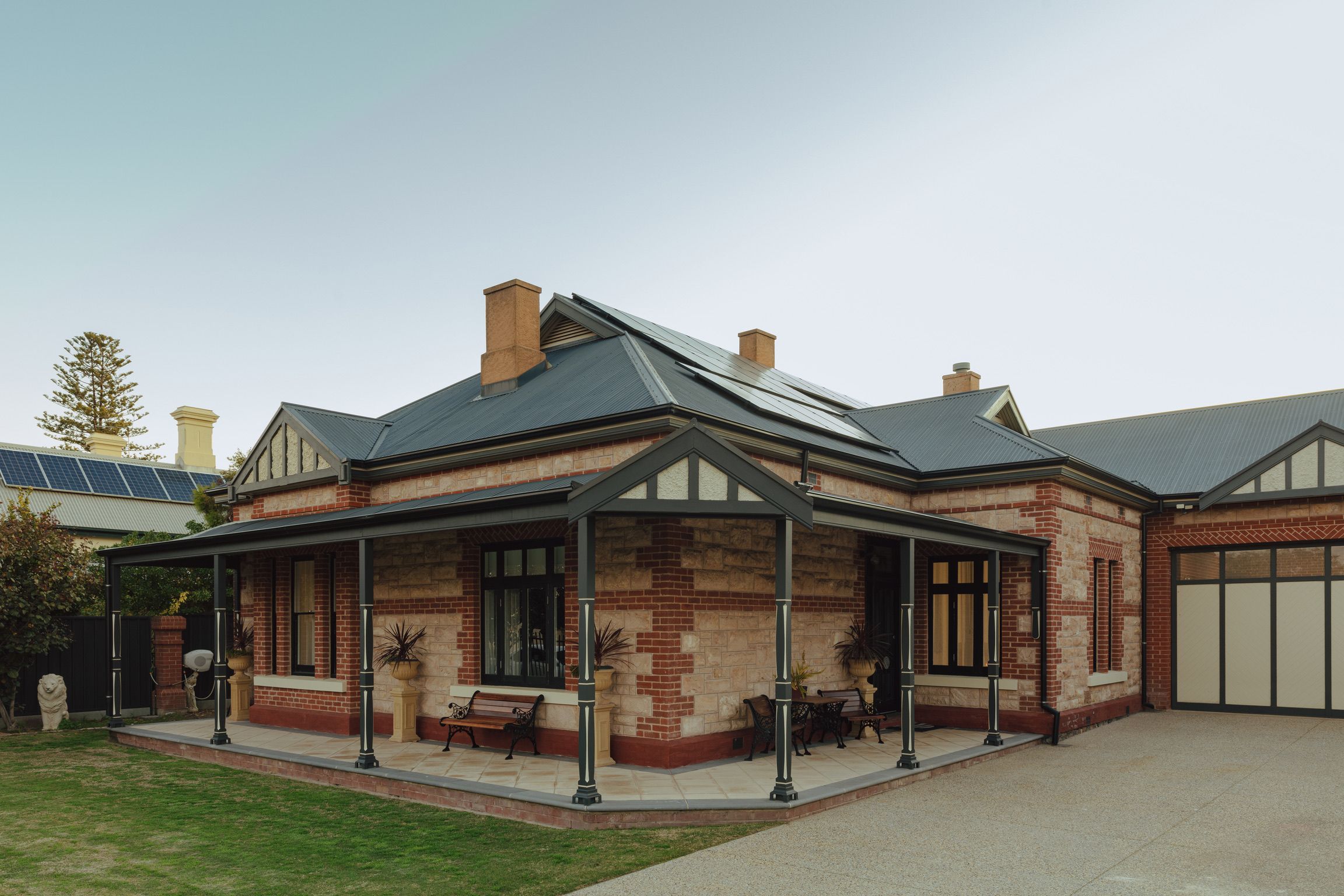
There is a particular pressure that comes with owning a beautiful old house.
You want to live in it properly. Not as a museum, and not as a compromise. You want a home that works for daily life, while protecting the character that made the house worth keeping.
That balance is one of the hardest parts of residential renovation. It asks for restraint, confidence and a clear understanding of the existing building.
What heritage renovation really means
Adelaide has an exceptional stock of character homes. Bluestone cottages, Federation bungalows, Edwardian villas and interwar homes all carry their own proportions, materials and rhythm.
Renovating one well does not mean copying the past in every detail. It means understanding the original house well enough to know what should stay, what can change and what should be introduced with clarity.
Poor heritage renovations usually feel split in two. The old house sits at the front. The new work appears behind it. The connection between them feels practical rather than resolved.
The best heritage renovations feel more complete. They respect the original without pretending that nothing has changed.
Where projects often go wrong
Most mistakes begin when the existing house is treated as a constraint rather than the brief.
The ceiling heights, wall thicknesses, skirting profiles, stonework, openings and light are not background details. They are the starting point. They tell the design what it needs to respond to.
When those details are ignored, the result can feel detached. New materials are matched approximately. Junctions feel unresolved. The renovation works functionally, but the house loses coherence.
Why an integrated process helps
Heritage renovation is where an integrated design and construction studio earns its value clearly.
When the same team is responsible for the design and the build, decisions can be tested earlier. Materials can be selected with a view to how they will age beside the original home. Details can be designed with the craft of construction in mind.
This matters because the margin for error is small. A poor junction between old and new cannot be hidden by styling. It has to be right.
What to expect
A good heritage renovation takes time at the beginning. The existing building needs to be understood before the new work is resolved.
The process should consider council requirements, structural conditions, material behaviour and the way the home will be lived in after completion.
When it is done well, the result is not simply an addition. It is a home that feels whole again.
That is the standard worth holding.
What would you like to change about your home?
RESLU is your designer and builder, from the first plan through construction to handover.
Tell us about your project →